The Adelaide word for it
Same mechanism as rising damp, harsher ending. The water is only the delivery system — it is the salt left behind that breaks the wall.
Everywhere else in the country the phrase is rising damp. In Adelaide people say salt damp, and they are not being loose with the terminology — they are naming the part that actually does the damage. Rising Damp Adelaide arranges assessments across the inner suburbs and the coast, and this is the single thing worth understanding before you spend money on it.
Groundwater carries dissolved mineral salts. It enters the base of a wall and climbs by capillary action, through the pores of the stone or, on bluestone, through the softer lime mortar between the courses. It rises until the rate it is drawn up matches the rate it evaporates off the face, which is why the tide mark sits at a level line rather than following the ground.
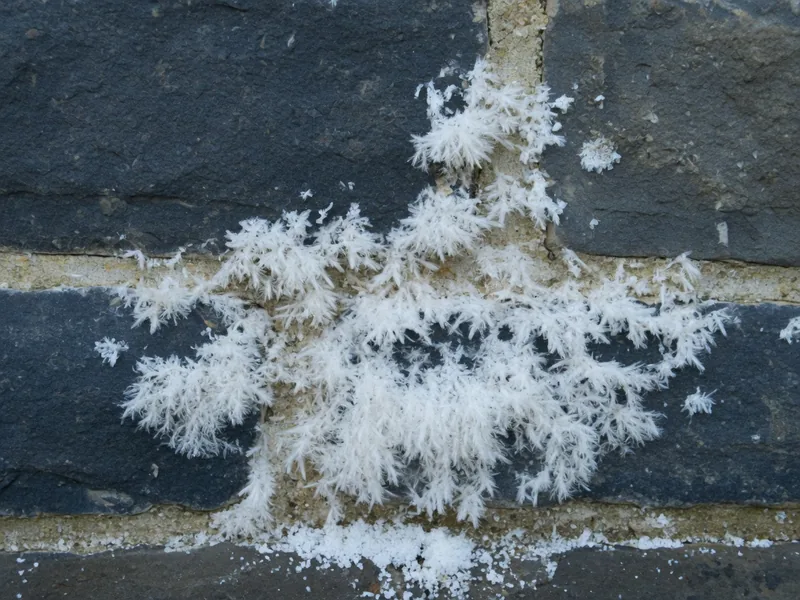
Then it evaporates. The water leaves; the salt cannot. It crystallises inside the pores and the joints, a little more after every wet season, and salt crystals growing in a confined space exert genuine mechanical pressure. That pressure is what turns mortar to sand, lifts render off in sheets, and takes the face off a sandstone block.
The damage is proportional to the number of wet-then-dry cycles, not to the amount of rain. Adelaide has an almost perfectly designed climate for it: rain concentrated in the cool months, then a hot dry summer with a 3pm humidity around 36 per cent that drives the moisture back out hard.
Compare that with a city where walls stay damp year round. There the wall is wet and stays wet, which is unpleasant but comparatively stable. Here the wall is pumped: charged in winter, dried in summer, charged again. Every cycle concentrates the salt a little further. It is the reason Adelaide has a local word for the problem at all.
Worth saying plainly, because the two names cause real confusion when people compare quotes. A contractor talking about rising damp and one talking about salt damp are describing the same defect. What differs is emphasis: the salt damp framing puts the attention on the salt already in the masonry, which matters because removing the water source does not remove the salt. That is why replastering too early fails, and why a good job includes a plan for the contaminated material rather than just a damp course.
Cutting off the water is necessary and not sufficient. A complete job deals with the source (levels, drainage, a new damp course), then with the salt already in the wall (removing contaminated plaster and render, repointing failed joints in lime), and only then with the finish. Anyone who proposes to inject and replaster in the same week has skipped the middle step, and the finish will tell you so within a year.
The oldest stone stock sits in the inner ring and along the coast, and that is where most of the calls come from.
Tell us what the wall is doing. We will arrange someone to meter it and put the cause in writing.